Date a Nike Sweatshirt: Tag, Style Code & Logo Clues
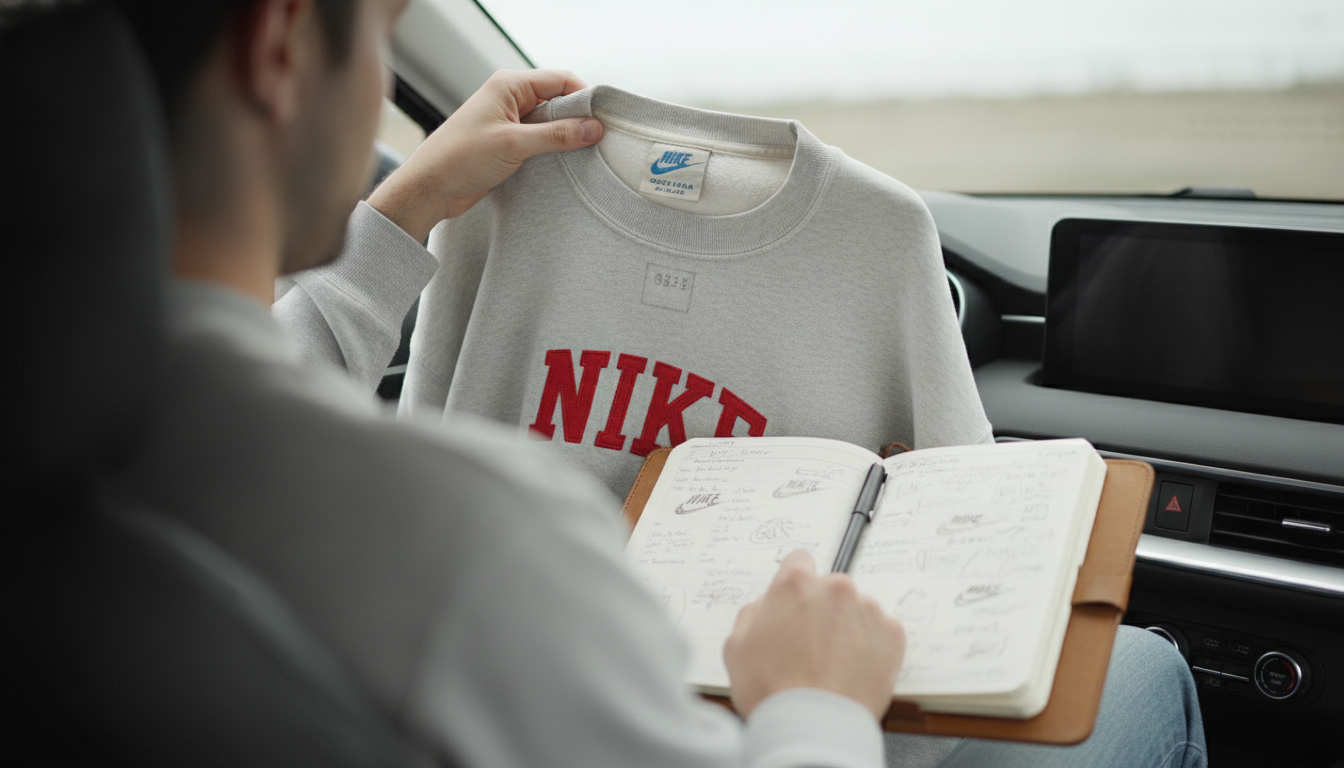
How to date a Nike sweatshirt?
Dating a Nike sweatshirt means estimating when it was made by checking a few reliable clues—most importantly the tag, style code, and logo details. Nike has changed label formats, RN/CA numbers, and product coding over time, so combining multiple signals gives the most accurate timeframe.
1) Check the inside tag for the style code and date format
Start with the care/size tag (often inside the neck or along the left side seam). Many Nike sweatshirts include a style code (commonly six digits plus a three-digit color code, like “123456-001”) and a production date range printed nearby. If you see a clear month/year or a range (for example, “05/14–07/14”), that’s your strongest dating evidence.
2) Use the style code to confirm the release window
If you have a style code, search it to find product listings, catalogs, or resale archives that show when that exact sweatshirt colorway was sold. Even if the tag doesn’t show a readable date, matching the code to online records can narrow it down to a specific season or year.
3) Look at the Nike logo and label design
Older Nike sweatshirts often have different swoosh proportions, embroidery density, and label layouts than newer ones. Compare the neck tag design (font weight, spacing, “NIKE” placement, and country of origin line) to known examples from the era you suspect. A sudden mismatch—like a modern tag style paired with a heavily “vintage” look—can be a red flag that parts were altered or the piece isn’t authentic.
4) Check the manufacturing info (RN/CA) and fabric/care language
RN and CA numbers are common on Nike tags sold in North America. While they don’t directly state a year, the presence/format of these identifiers and the phrasing of care instructions can help you bracket the timeframe, especially when combined with the style code and label design.
5) Cross-check with the sweatshirt’s details
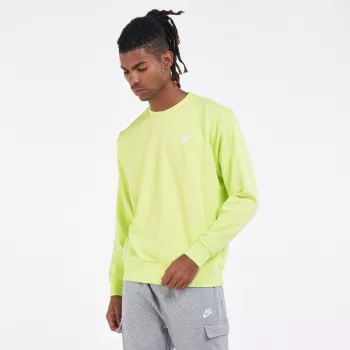
Construction details can support the tag findings: rib knit thickness, fleece feel, stitching style, and fit profile (boxier vs. slimmer) tend to follow period trends. For a practical example of what to look for in a Nike men’s sweatshirt—color, layering, and everyday wear cues—see this Nike men’s green sweatshirt guide.
FAQ
How can you tell if a Nike sweatshirt is authentic?
Check for a clean, correctly printed tag, a valid style code format, consistent stitching, and high-quality embroidery or screen printing. Authentic pieces typically have aligned label text and a style code that matches real product listings.









Leave a comment