Toddler Nightmares: Calm Comfort and Back-to-Sleep Tips
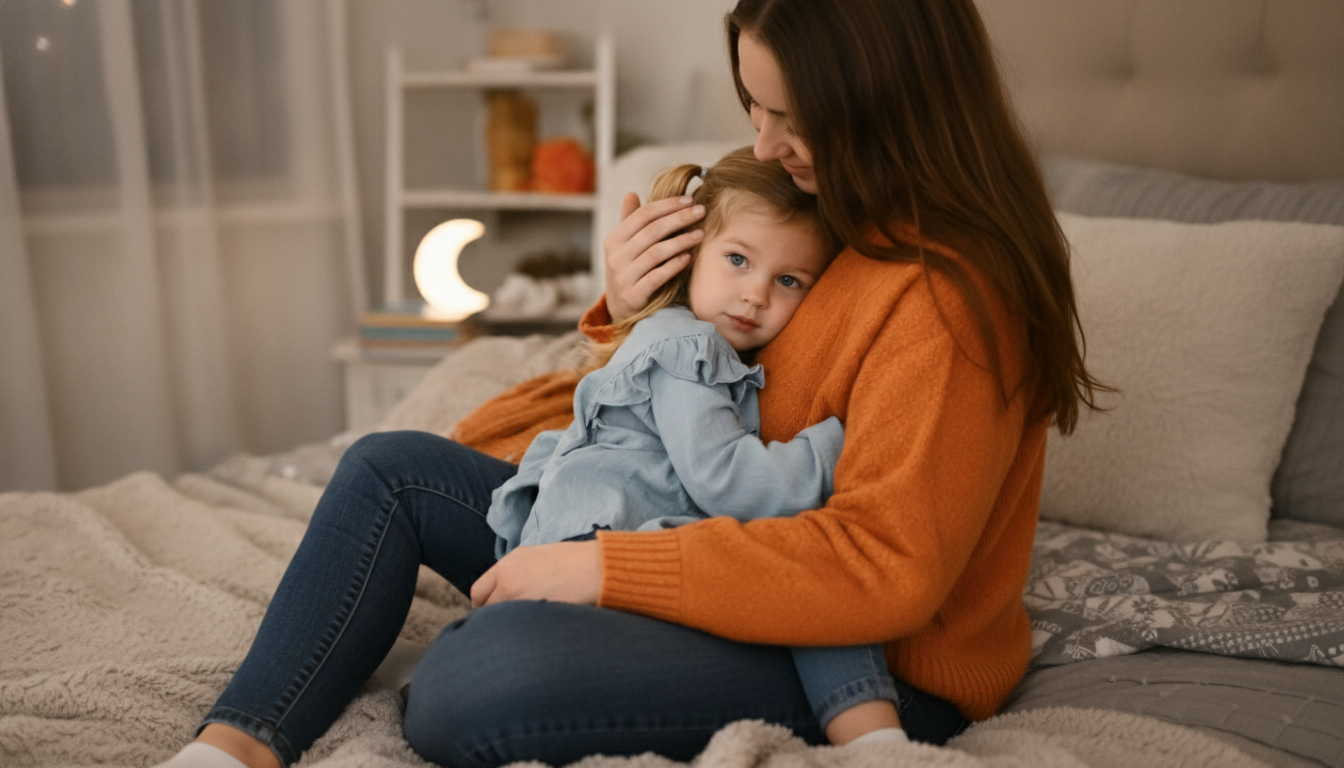
What to Do When Your Toddler Has Nightmares (and How to Get Everyone Back to Sleep)
Nightmares can turn a peaceful bedtime into repeated wake-ups, tears, and fear of falling asleep again. The good news: most toddler nightmares improve with a steady, low-drama response in the moment plus a few protective habits during the day. The goal isn’t to “prove” the dream wasn’t real—it’s to help your child’s body feel safe again so sleep can restart.
Nightmares vs. Night Terrors: Why the Difference Matters
Nightmares and night terrors can look similar from the hallway, but they’re handled differently. Nightmares tend to happen later in the night; toddlers often wake fully, call for you, and want comfort. Night terrors often happen earlier; a child may scream or thrash but seem “not awake,” resist soothing, and have little to no memory of it the next day.
| Feature | Nightmares | Night Terrors |
|---|---|---|
| When they happen | Often later at night | Often early in the night |
| Child wakes fully | Yes | Usually no |
| Response to comfort | Seeks and benefits from reassurance | Often hard to console; may resist |
| Memory next day | Often remembers parts | Usually no memory |
| Best immediate approach | Reassure, reset, return to sleep | Keep safe, stay calm, wait it out |
If your toddler is alert, asking for you, and relaxes with reassurance, you’re likely dealing with a nightmare. If episodes are frequent, risky (climbing, leaving the bed), or paired with breathing concerns like loud snoring or gasping, it’s worth discussing with a pediatrician. Helpful overviews can also be found at HealthyChildren.org (American Academy of Pediatrics) and the Sleep Foundation. For night terrors, see the NHS guide on sleepwalking and night terrors.
What to Do in the Moment: A Simple Comfort Script
When your toddler wakes frightened, think “calm, brief, predictable.” The less stimulation you add, the faster their brain can slide back toward sleep.
- Get on their level, keep lights low, and speak slowly.
- Use a short script: “You’re safe. That was a scary dream. I’m right here.”
- Offer a grounding cue: name a few familiar things (“Your blanket, your teddy, your pillow”) or do one slow breath together.
- Avoid a long dream debrief at 2 a.m.; too much talking can fully wake them and prolong the episode.
- Use a consistent reset: quick sip of water, bathroom if needed, brief cuddle, then back into bed.
- If they want to sleep near you, consider a temporary plan you can control (like a sleeping bag on your floor) instead of creating a new nightly habit you can’t maintain.
What Not to Do (Even When Everyone’s Exhausted)
- Don’t dismiss or tease (“It’s not real.”). A toddler’s fear response is real in their body, even if the dream content isn’t.
- Don’t probe for scary details while they’re panicked (“What was chasing you?”). It often intensifies imagery and delays settling.
- Don’t threaten or punish for leaving the bed. That can add shame and increase bedtime anxiety.
- Avoid bright screens or exciting videos as a distraction. Light and stimulation make it harder to fall back asleep.
Common Triggers to Check During the Day
Nightmares are more likely when sleep is lighter, more fragmented, or when emotions have been running high.
- Overtiredness: missed naps, late bedtime, or irregular sleep can increase nightmares and night waking.
- Big changes: new daycare, travel, moving rooms, potty training, or family stress can show up in dreams.
- Scary media: even “kid” content can include intense scenes; preview new shows and limit evening viewing.
- Illness or allergies: congestion and discomfort can fragment sleep and increase dream recall.
- Worries they can’t name: separation anxiety, fear of the dark, or routine changes.
Bedtime Solutions That Reduce Nightmares Over Time
- Go earlier during rough patches. A well-rested toddler often sleeps more smoothly and wakes less intensely.
- Keep a predictable wind-down order: bath, pajamas, two books, one song, lights out—same sequence nightly.
- Use a comfort object (lovey/blanket) and a night light if helpful—ideally without making it a high-stakes “must have.”
- Add a brief bravery ritual: check the closet once, say a simple “safe room” phrase, or assign a stuffed animal “guardian.”
- Optimize the room: cool, dark, quiet; consider white noise if household sounds trigger partial wake-ups.
- Try a gentle pre-sleep check-in: one good thing from today, plus one worry to “park” until morning.
Daytime Skill-Building: Teaching a Toddler to Feel Safe
Nighttime goes better when you practice coping while your child is calm.
When to Get Extra Help
Practical Resources to Make Night Responses Consistent
- What to Do When Your Toddler Has Nightmares | Ebook Guide for Parents | Practical Comforting Tips & Bedtime Solutions
- Nike Women’s Blue Hooded Jacket (a cozy layer can help keep late-night check-ins calm and brief—no rummaging for warmth)
FAQ
Should a toddler sleep in the parents’ bed after a nightmare?
Start with comfort and a short reset, then return to a consistent plan. If it happens occasionally, keep it calm and temporary; a sleeping bag on the floor can be an alternative that avoids creating a new nightly expectation.
How can nightmares be prevented in toddlers?
Prioritize enough sleep, keep a predictable wind-down, limit scary media (especially in the evening), and practice calming skills during the day. Extra routine and reassurance during big transitions can also reduce nighttime fears.
When are nightmares a sign of something more serious?
Get guidance if nightmares are frequent and disrupt daytime functioning, if there are safety risks during episodes, or if you notice breathing concerns during sleep like loud snoring or gasping. A pediatrician can help rule out medical causes and recommend next steps.












Leave a comment