How Nike Prints Shirts: Screen, Heat Transfer & DTG
What does Nike use to print their shirts?
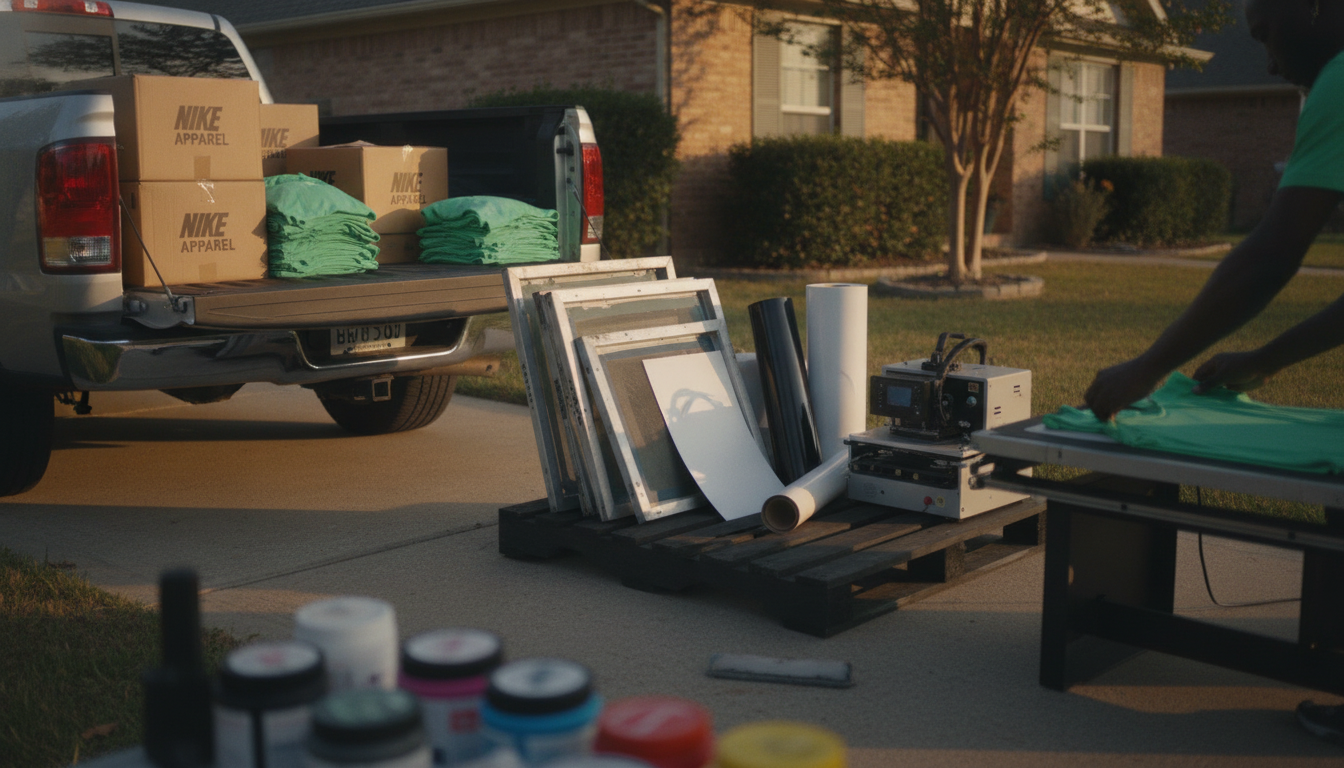
Nike uses several professional garment-printing methods rather than a single “one-size-fits-all” technique. Depending on the product line, artwork complexity, performance needs, and production volume, Nike commonly relies on screen printing, heat-applied graphics (such as heat transfer and heat-pressed films), and direct-to-garment (DTG) printing. Many Nike tees also incorporate specialty inks and finishes designed to stay flexible, resist cracking, and feel smooth against the skin.
How Nike’s shirt graphics are typically made
Screen printing (plastisol and water-based inks)
Screen printing is a go-to for high-volume runs and bold, durable designs. It layers ink through mesh screens onto the fabric, creating solid coverage and long-lasting color. For a classic “athletic logo” look, brands often use plastisol-style inks that sit on top of the shirt and cure with heat for toughness. Water-based options can be used for a softer, more “ink-into-fabric” feel on certain cotton styles.
Heat transfer and heat-applied films
Many performance tees and team-style shirts use heat-applied graphics. These can include printed transfer sheets or cut films that are pressed onto the garment at controlled temperature and pressure. Heat transfers are useful for crisp details, small text, multi-color logos, and specialty effects, and they’re often chosen when consistency and sharp edges matter.
Direct-to-garment (DTG) for detailed prints
DTG printing works like an industrial inkjet printer for fabric, spraying water-based inks directly onto the shirt. It’s especially helpful for complex, full-color artwork and smooth gradients. While DTG isn’t always the choice for every high-volume style, it’s widely used across modern apparel production where photorealistic detail is needed.
What to expect from the feel and durability
A raised, slightly rubbery graphic often points to screen printing or certain heat transfers. A very smooth, integrated feel can indicate water-based inks or DTG. Regardless of method, Nike’s production typically includes proper curing and testing so prints handle repeated wear and washing when care instructions are followed.
For a deeper breakdown of print methods and how to identify them, visit https://luckygemclub.shop/what-does-nike-use-to-print-their-shirts/.
FAQ
How can you tell if a shirt graphic is screen printed or heat transferred?
Screen prints often feel like ink bonded to the fabric and may have a slightly textured edge, while heat transfers can feel like a thin layer sitting on top with very crisp outlines. Checking the back side of the fabric for ink bleed-through can also help, since many transfers won’t show much on the inside.










Leave a comment