Whole You Wellness: Beginner Guide to Habits That Stick
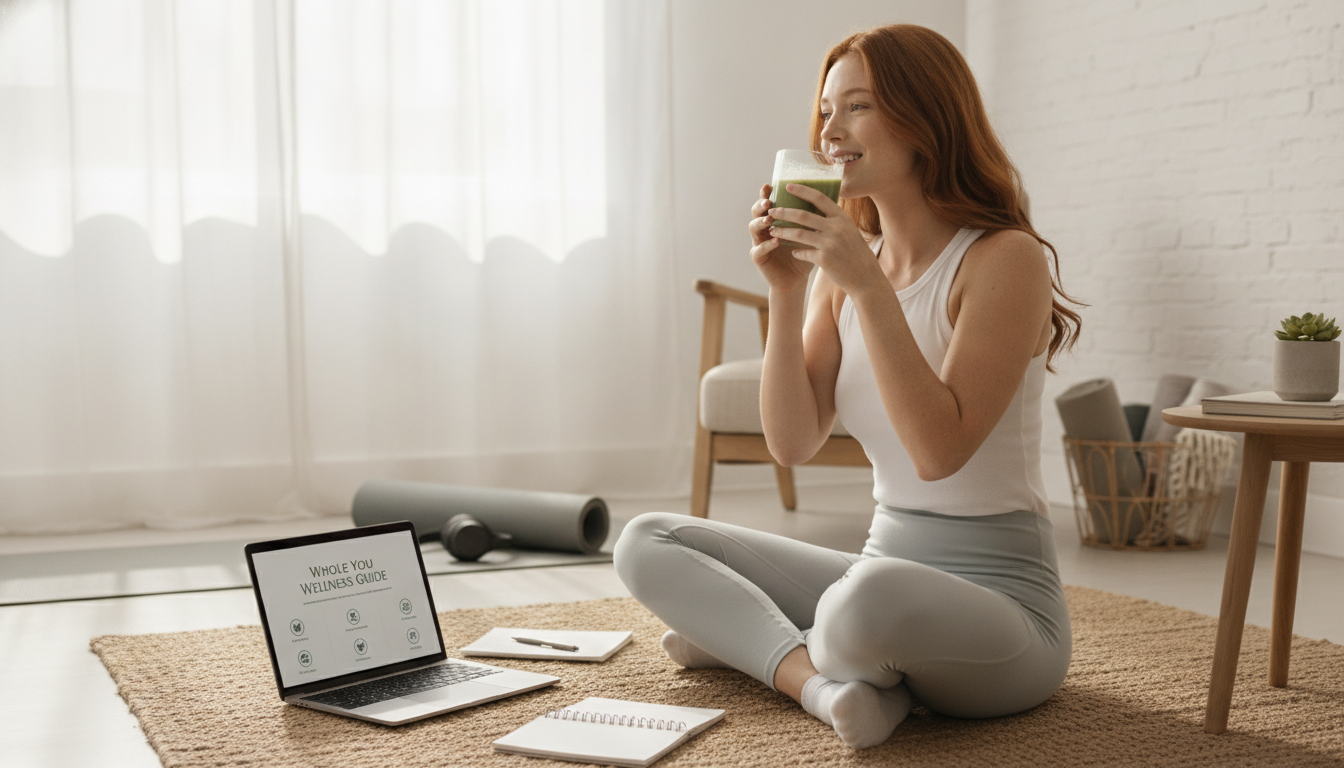
Whole You: A Beginner-Friendly Holistic Wellness Guide for Nutrition, Movement, Mindset, and Self-Care
Balanced wellness gets easier when daily choices are organized into a simple, repeatable system. Holistic wellness isn’t about doing everything perfectly—it’s about building steady habits across four connected pillars: nutrition, movement, mental health, and self-care. When these pillars support each other, beginners can make progress without extreme rules, complicated tracking, or all-or-nothing thinking.
What “holistic wellness” looks like in real life
Holistic wellness is a whole-person approach that connects how you eat, move, sleep, manage stress, and care for your emotional wellbeing. Instead of chasing quick fixes, you focus on small daily actions—like a balanced breakfast, a short walk, or a consistent bedtime—that compound into better energy, steadier mood, and greater resilience.
The goal is flexibility: routines that still work during busy weeks, travel, and fluctuating motivation. Progress markers also expand beyond the scale to include digestion, focus, strength, recovery, and confidence—signs that your body and mind are adapting in a sustainable way.
What’s included in the Whole You wellness ebook
Whole You: Holistic Wellness Guide (Digital Download) is built for beginners who want clarity without pressure. It brings nutrition, exercise, mindset, and self-care into one easy system you can repeat.
- Beginner-friendly guidance for building consistent routines across all four pillars
- Practical frameworks: simple meal building, movement templates, stress resets, and reflection prompts
- Action steps designed for short time blocks (5–30 minutes) to reduce overwhelm
- Digital format for quick access on phone, tablet, or computer—easy to revisit when life gets busy
Nutrition foundations: simple, sustainable, and satisfying
A beginner-friendly nutrition routine works best when it’s flexible and filling. A simple plate framework removes guesswork while leaving room for preferences:
- Protein (chicken, eggs, tofu, Greek yogurt, beans)
- Fiber-rich carbs (oats, brown rice, potatoes, quinoa, whole-grain bread)
- Colorful plants (greens, berries, peppers, frozen veggies—whatever you’ll actually eat)
- Healthy fats (avocado, olive oil, nuts, seeds)
For hydration, use a “water anchor” approach: drink a glass in the morning, mid-day, and evening. This simple rhythm builds consistency without tracking apps or strict targets.
To reduce decision fatigue, plan 2–3 “default meals” you enjoy and rotate them. Examples: a yogurt bowl, a turkey-and-veggie wrap, or a sheet-pan protein with frozen veggies and rice. Mindful eating can stay simple too—try a quick hunger/fullness check-in before and after meals and slow down just enough to notice satisfaction (no rigid rules required).
Set yourself up for success with environment tweaks: keep fruit/veg visible, store protein ready-to-go, and stock easy snacks you don’t overthink.
For broader guidance on balanced eating patterns, the Dietary Guidelines for Americans offer evidence-based recommendations you can adapt to your lifestyle.
Movement for beginners: build consistency before intensity
The best workout plan is the one you’ll repeat. Start by choosing a comfortable entry point: walking, low-impact cardio, beginner strength, mobility work, or yoga. Then use the “minimum effective dose”—10 to 20 minutes counts when it’s consistent.
If strength training is new, focus on full-body patterns that translate to everyday life:
- Squat (sit-to-stand, chair squats)
- Hinge (hip hinge practice, light deadlift pattern)
- Push (wall push-ups, incline push-ups)
- Pull (band rows, towel rows if available)
- Carry (farmer carry with groceries or light weights)
- Core (dead bug, plank variations)
Recovery is part of progress: include rest days, light mobility, and sleep habits that support training. For baseline activity targets, the Physical Activity Guidelines for Americans (2nd edition) provide a clear, realistic framework.
To make movement automatic, pair it with a cue: after coffee, after work, or after school drop-off. If you want comfortable gear that makes it easier to show up, consider a simple layer like the Nike Women’s Blue Hooded Jacket for walks and warm-ups, or plan a low-pressure swim day with Nike Swim Men’s Green Geometric Swimwear.
Mental health practices that fit into everyday life
When sleep is off, everything feels harder—appetite, motivation, mood, and patience. If sleep is a challenge, the NIH overview on Sleep and Sleep Disorders is a helpful, trustworthy starting point.
Self-care that actually restores (not just “treats”)
A 14-day beginner starter plan to build momentum
Two-Week Momentum Plan (examples to mix and match)
| Day Range | Nutrition Anchor (10–20 min) | Movement Anchor (10–30 min) | Mind + Self-Care Anchor (5–15 min) |
|---|---|---|---|
| Days 1–3 | Build one balanced breakfast; add fruit/veg | 20-min walk or beginner mobility | 3-minute breathing + set bedtime target |
| Days 4–7 | Plan 2 default meals; prep one protein | 2 short strength sessions (full body) + 1 walk | Journaling prompt: “What helped today?” |
| Days 8–10 | Hydration anchor at 3 set times | Add gentle intervals or longer walk | Evening wind-down: screens off 30 min before bed |
| Days 11–14 | Add fiber goal: one extra plant serving daily | Strength session + mobility; choose a fun activity | Boundary practice: say no to one non-essential drain |
How to use a digital download for lasting results
Who this guide is best for
FAQ
Is this guide suitable for complete beginners?
Yes. It’s designed for beginners and uses simple, flexible starting points across nutrition, movement, mental health, and self-care so you can build consistency without feeling overwhelmed.
How soon can noticeable changes happen with a holistic routine?
Some benefits—like steadier energy, better sleep quality, and improved mood—may show up within 1–2 weeks. Lasting change typically comes from consistent routines practiced over weeks to months.
Do I need special equipment or a gym membership to follow the movement guidance?
No. Many beginner routines can be done with walking, bodyweight strength moves, and mobility work at home, with optional equipment added later if you want more variety or progression.











Leave a comment